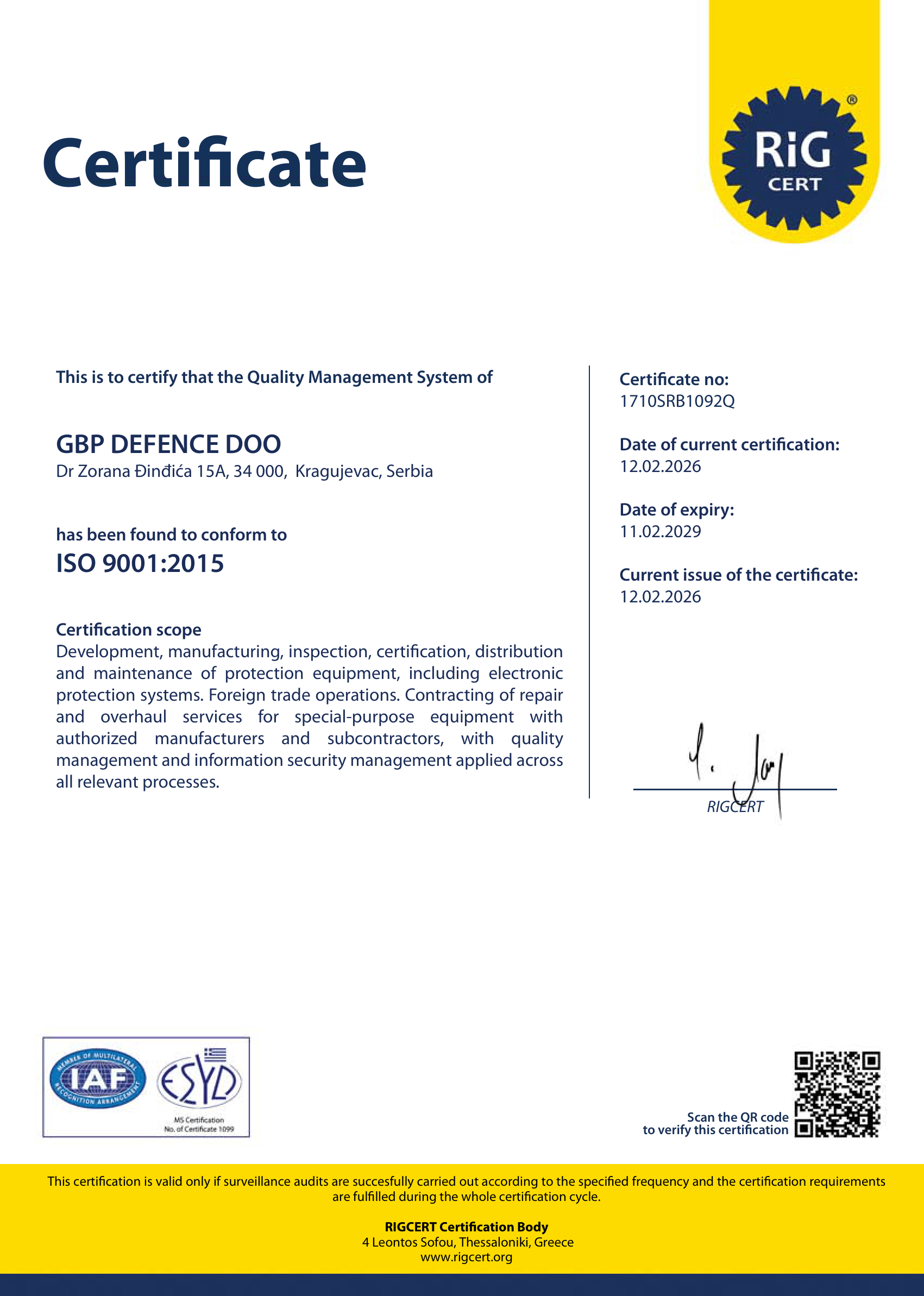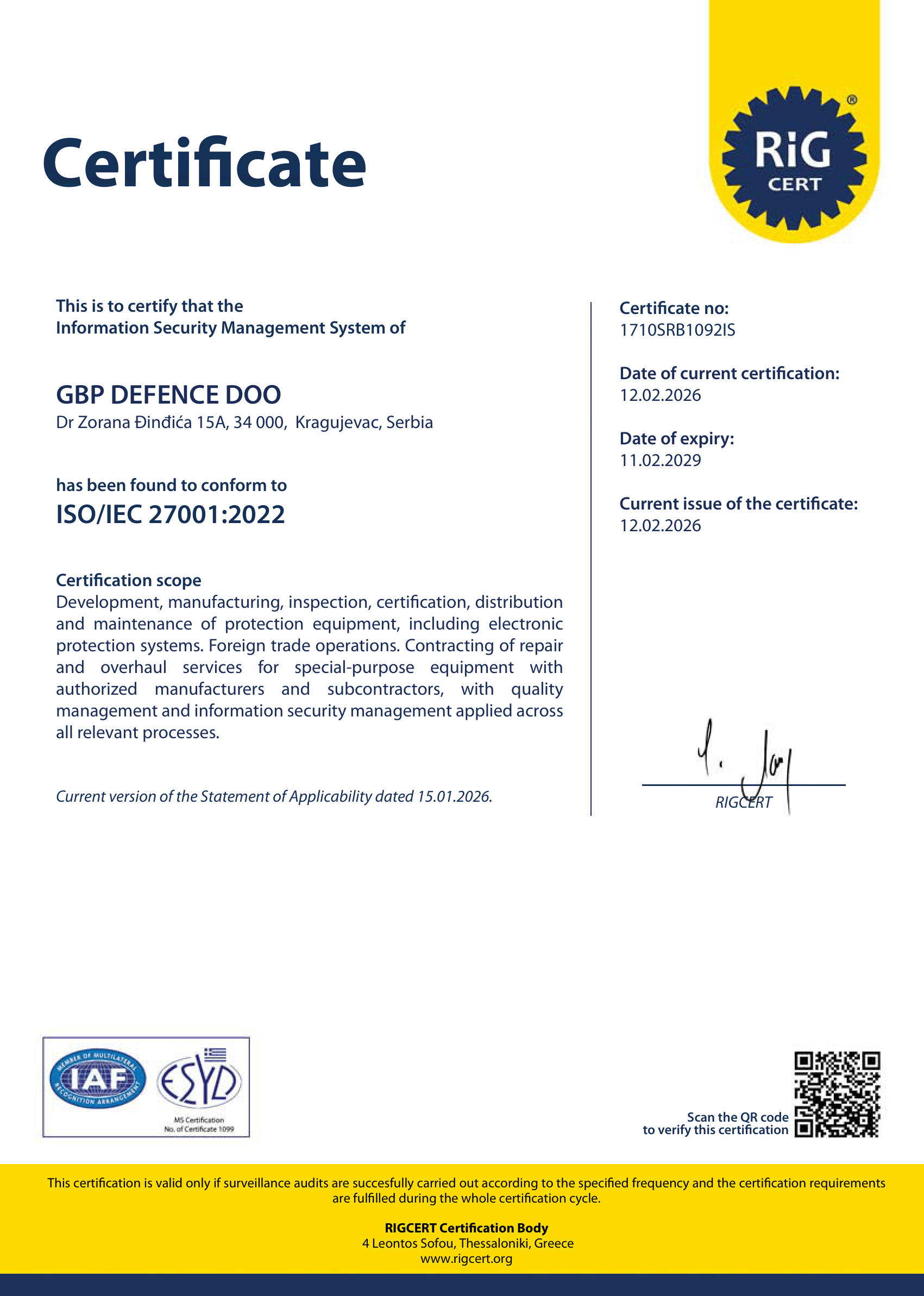
Data Protection and Endpoint Security: Protection of confidential information Protection against intrusion and unauthorized actions of an attacker inside the system Protection from insider actions Protection against network attacks Protection against information theft in case of media loss


Cybersecurity protection safeguards systems, networks, and data from digital attacks, theft, and damage using security measures and technologies.
Cyber Security Compliance means following laws, regulations, and security standards that protect data, systems, and digital infrastructure from cyber threats. It ensures that organizations manage security risks in a structured and controlled way.
Ensure compliance by following regulations, conducting audits, training staff, maintaining documentation, and using security controls and monitoring tools.
Lack of compliance can result in heavy financial penalties, legal actions, operational restrictions, and loss of customer trust. In serious cases, organizations may face business suspension and management liability.
Common cybersecurity compliance frameworks include GDPR, ISO/IEC 27001, NIS2 Directive, PCI DSS, HIPAA, SOC 2, and national data protection laws.